Sunnyside Courtyard Sauna.
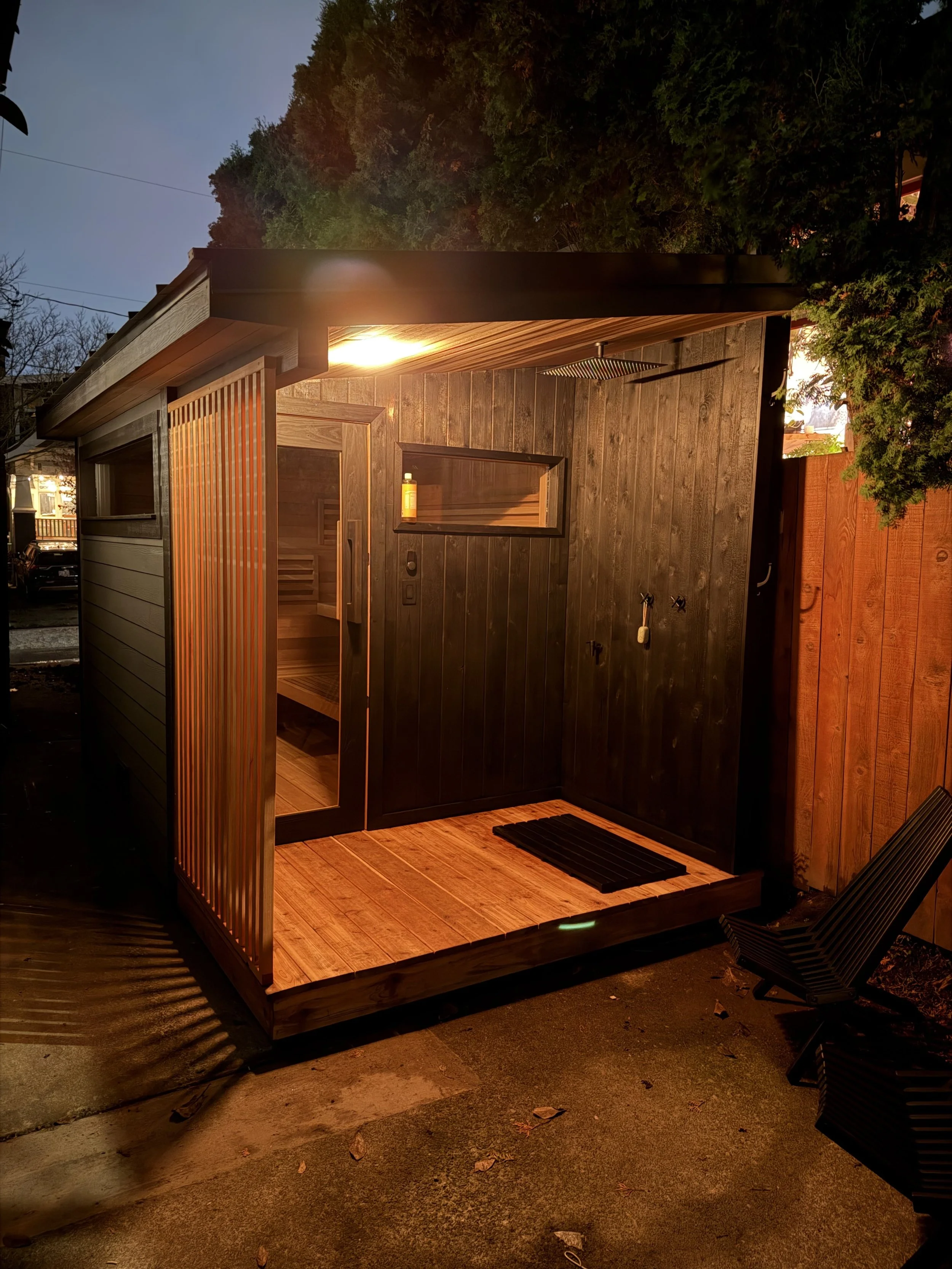
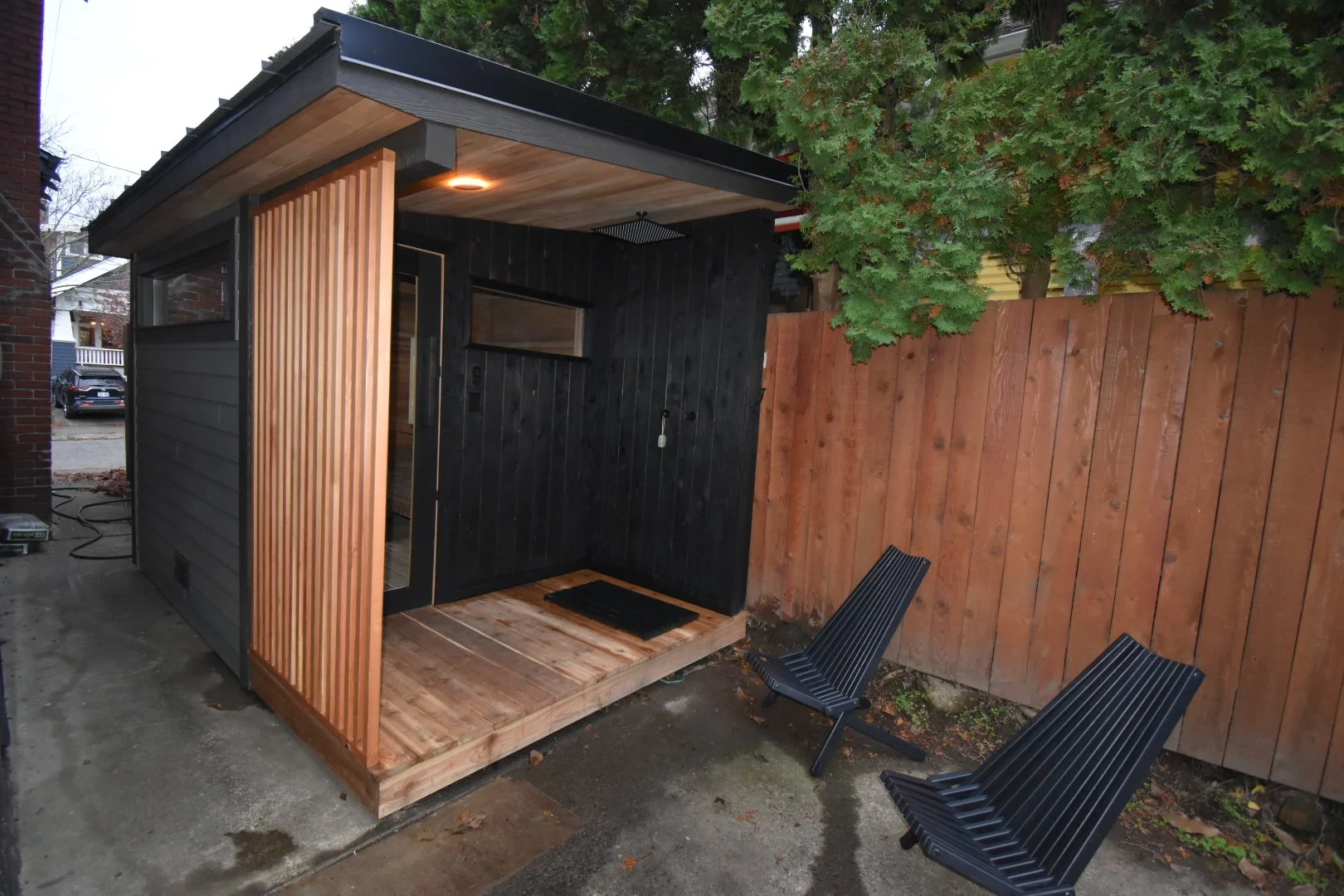
This build came together in the heart of Southeast Portland’s Sunnyside neighborhood, on one of the tightest sites we’ve worked with to date. The available space was framed in by a detached garage and an existing shed, which meant every decision — from overall footprint to roof lines and exterior finishes — had to feel deliberate. The goal was simple: make the sauna feel like it had always belonged there, not like it was added after the fact.
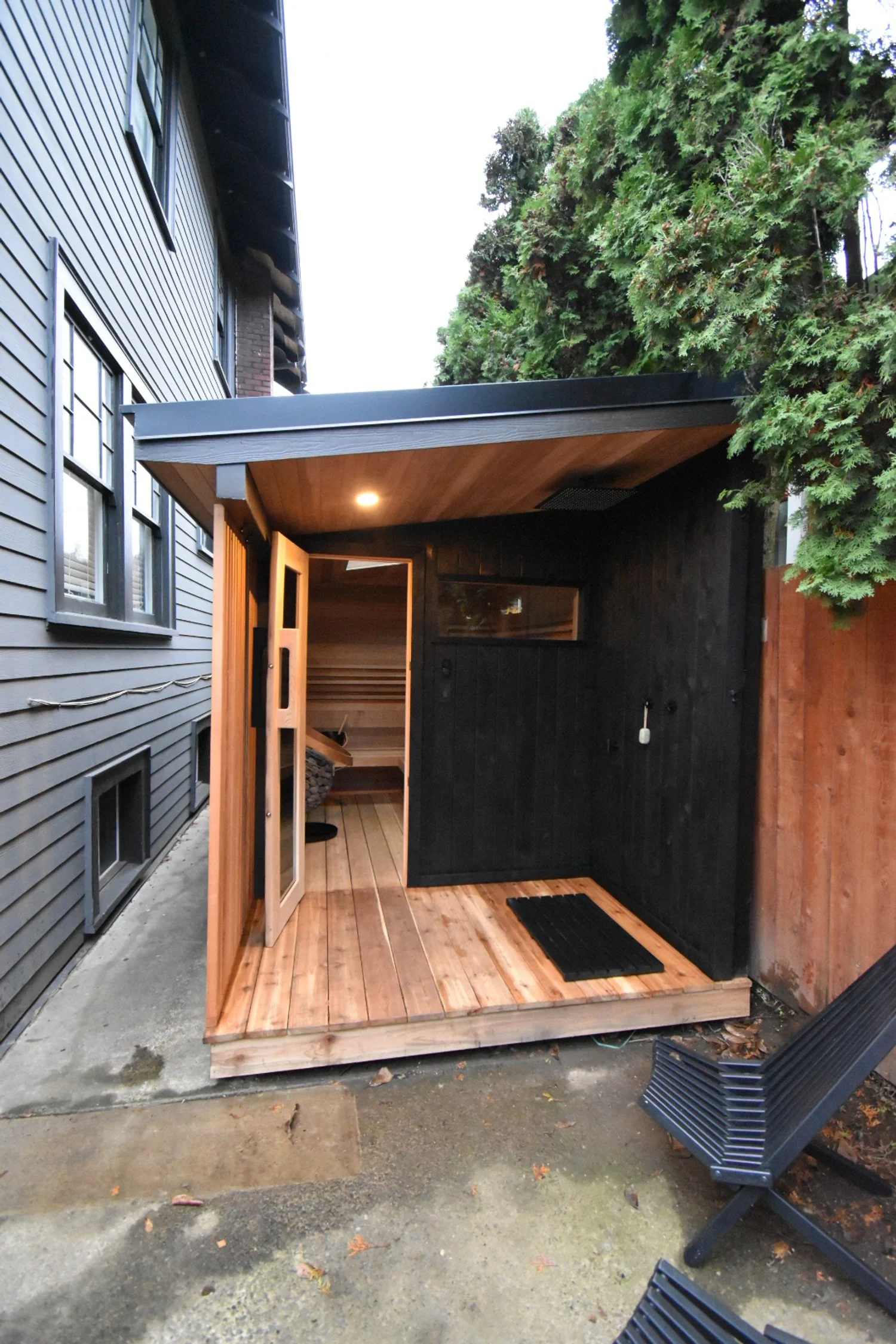
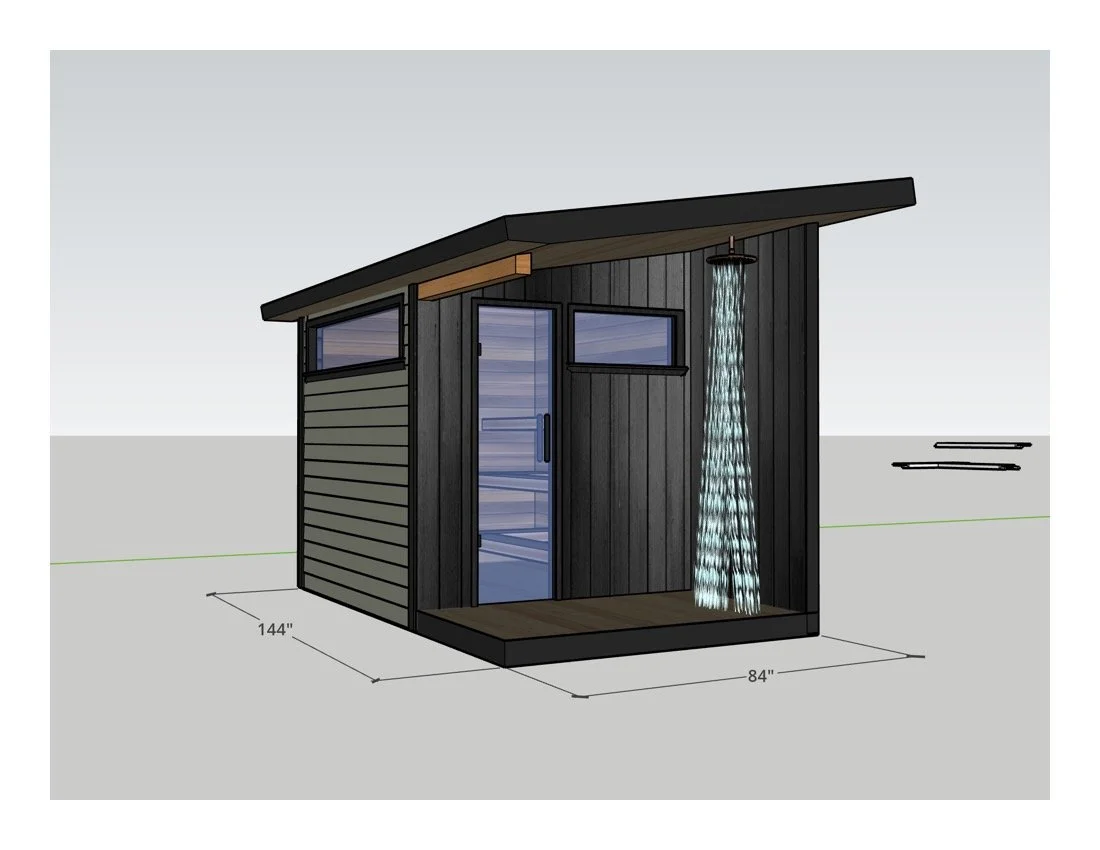
To achieve that, we matched the home’s exterior language and surrounding accessory structures, keeping proportions clean and materials honest. In a dense, established neighborhood like Sunnyside, visual continuity matters. Subtle alignment with nearby buildings helped the sauna blend into the property, even though it’s anything but small on the inside.
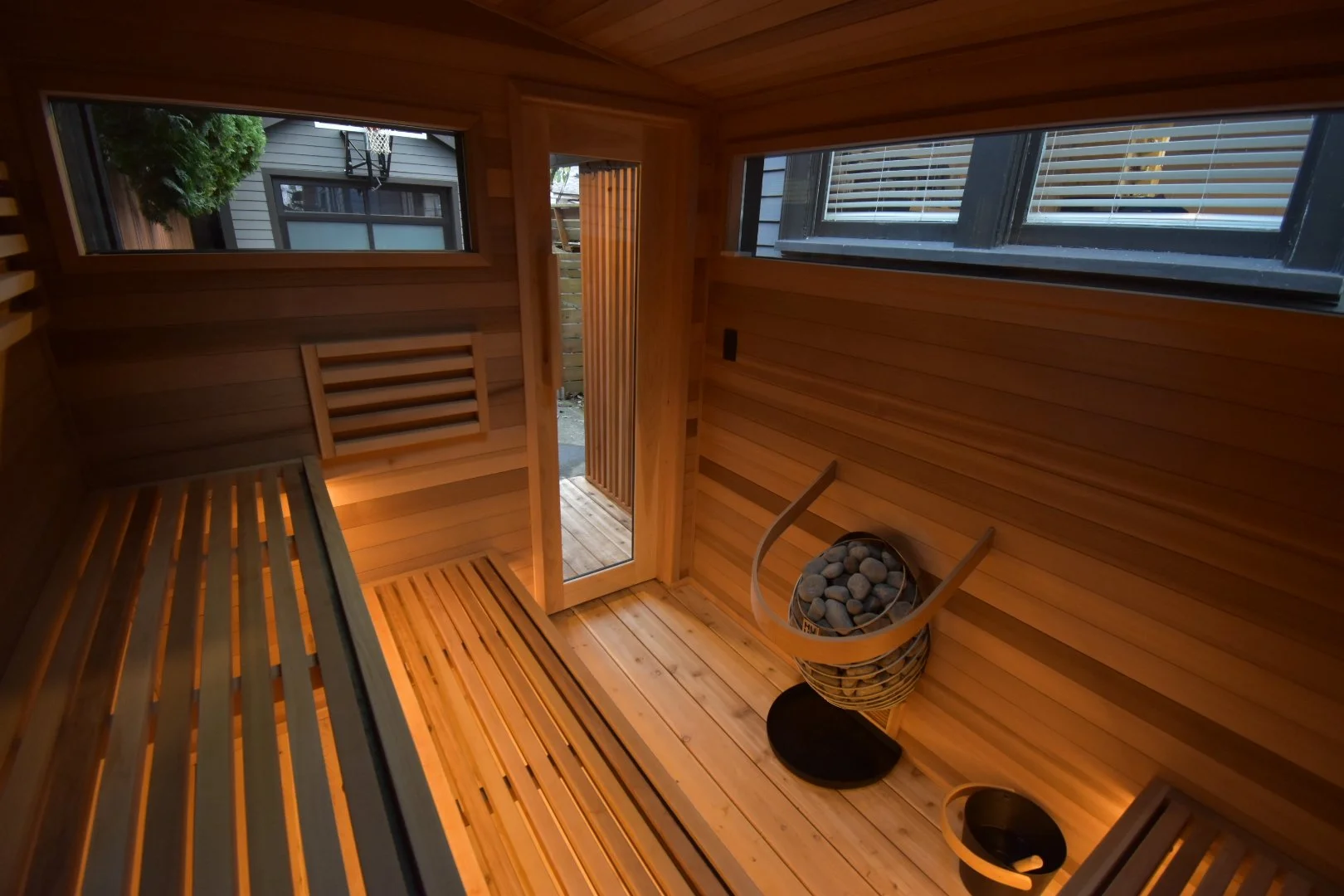
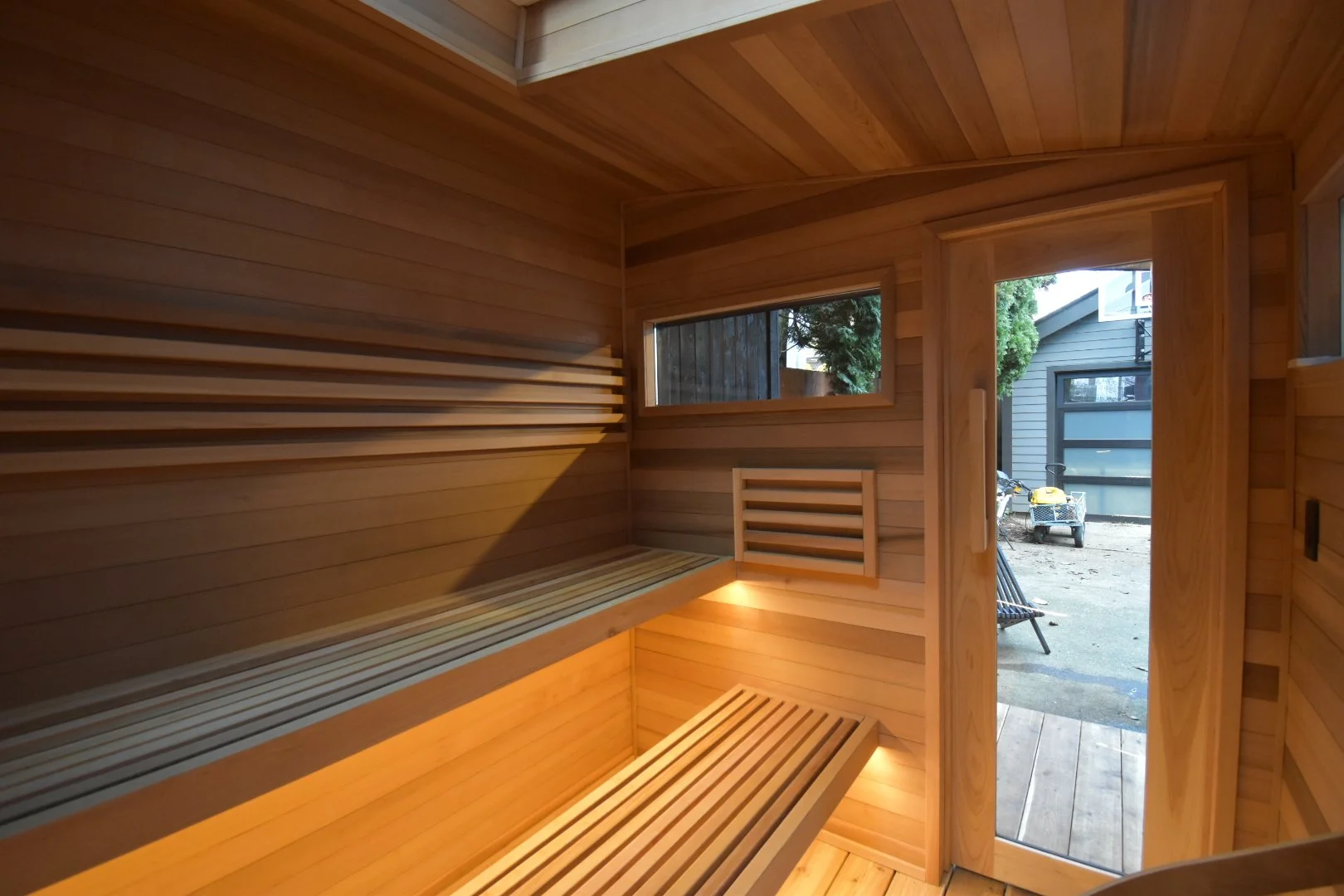
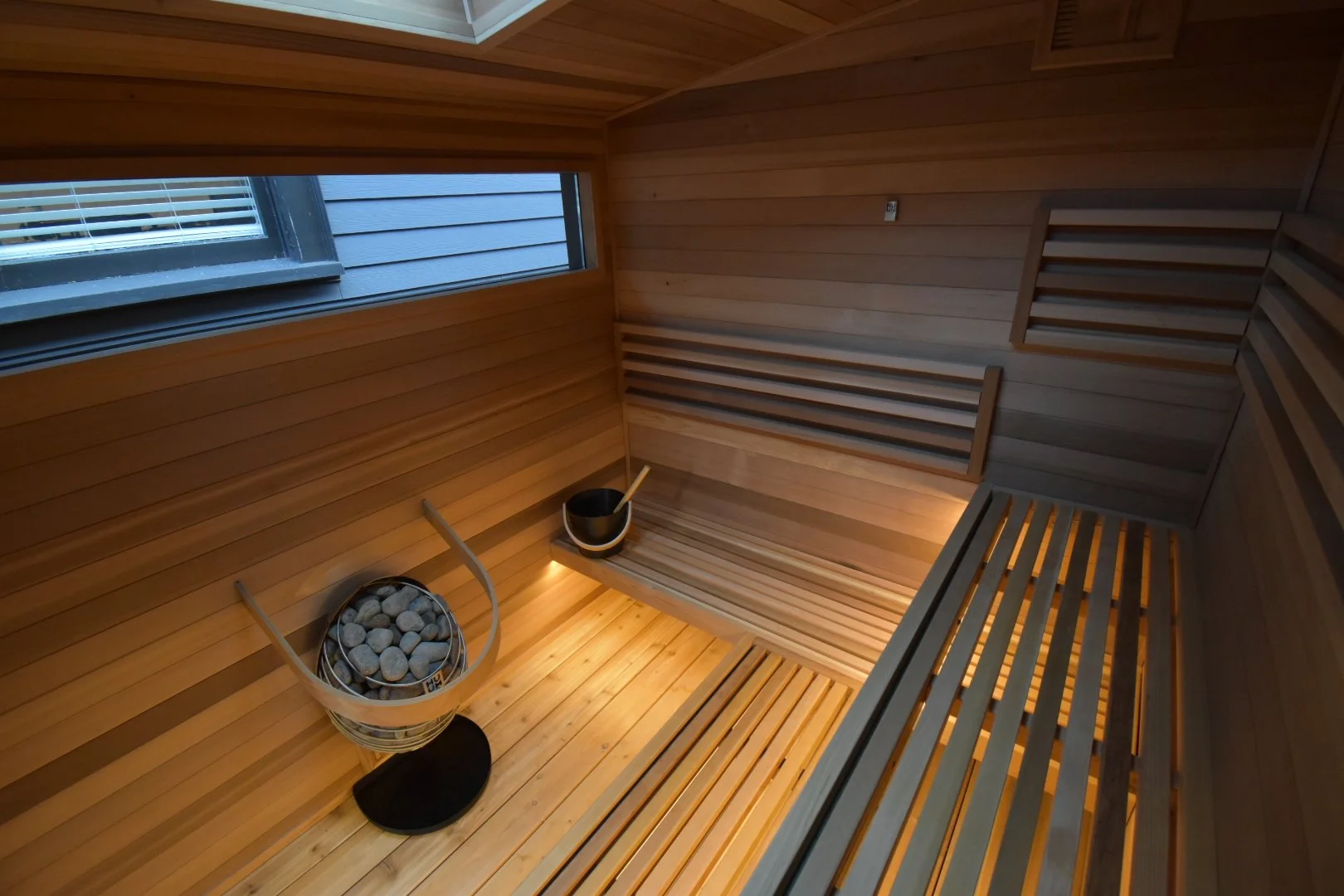
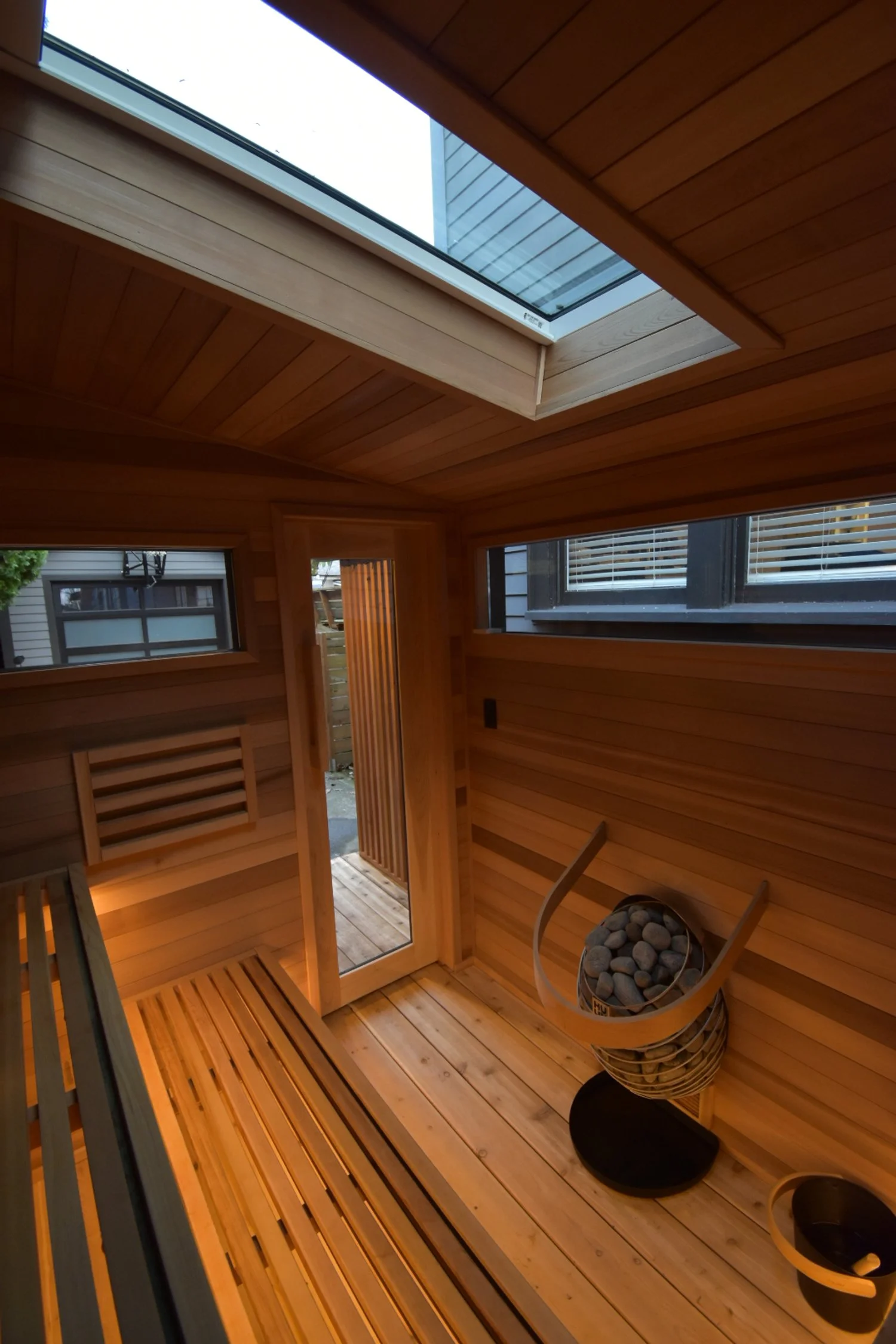
Because the client is very tall, standard sauna dimensions wouldn’t have delivered long-term comfort. We increased the interior proportions to allow for proper bench heights and relaxed seating, resulting in a space that feels open without being oversized. Inside, the clear cedar interior brings warmth and consistency, while an L-shaped bench layout maximizes usable space without crowding the heater zone. Hidden bench lighting adds a soft, indirect glow that keeps the room calm and uncluttered.
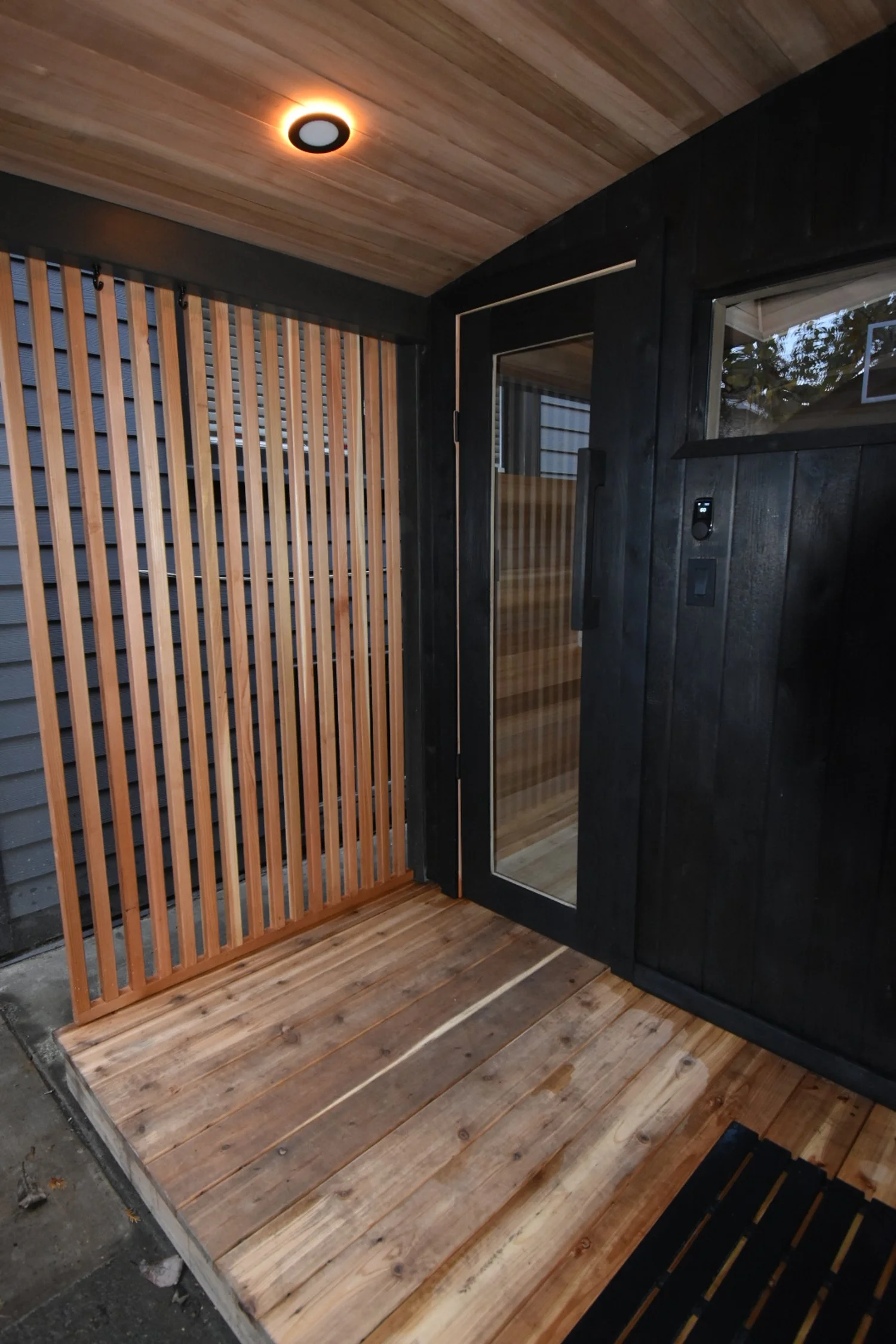
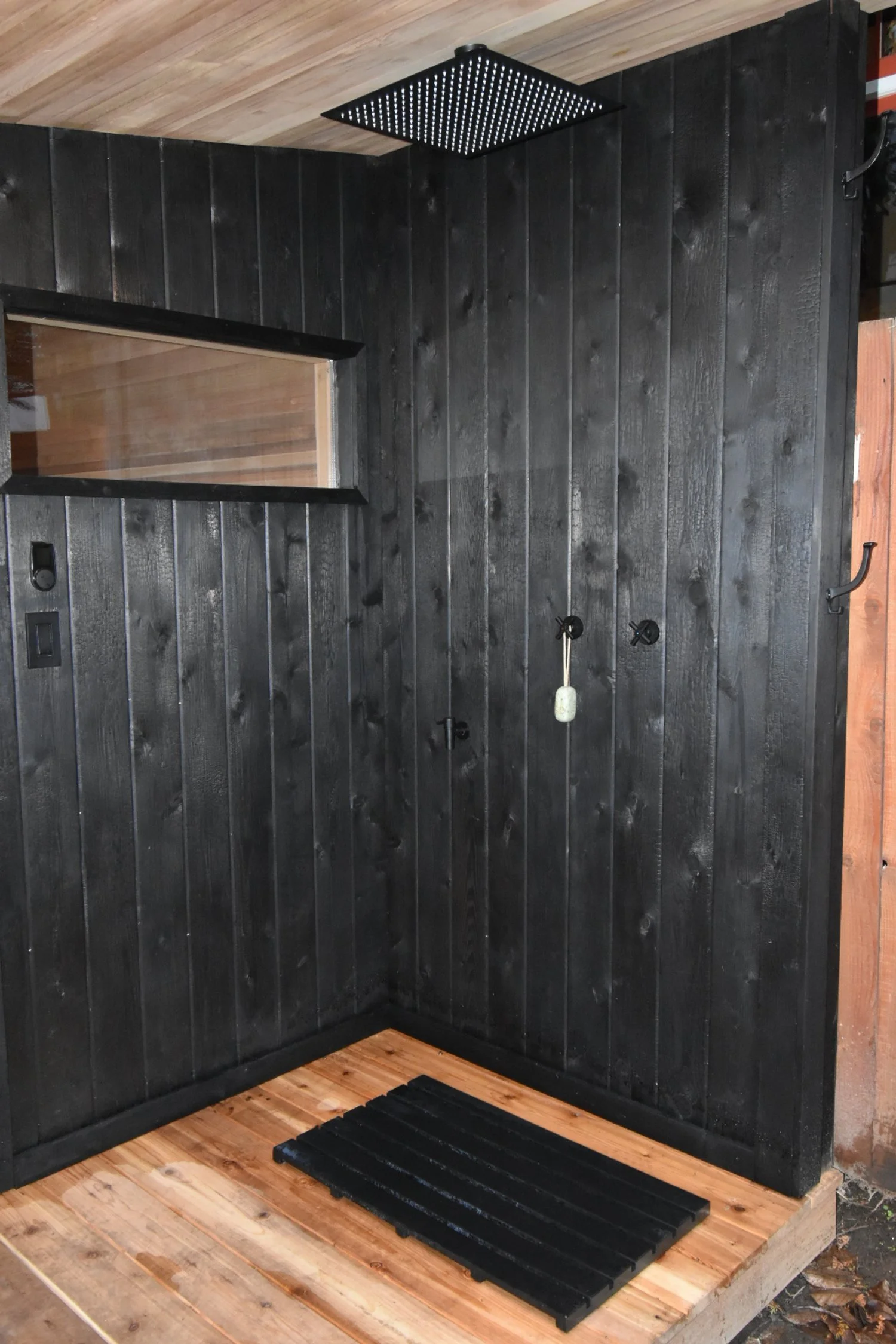
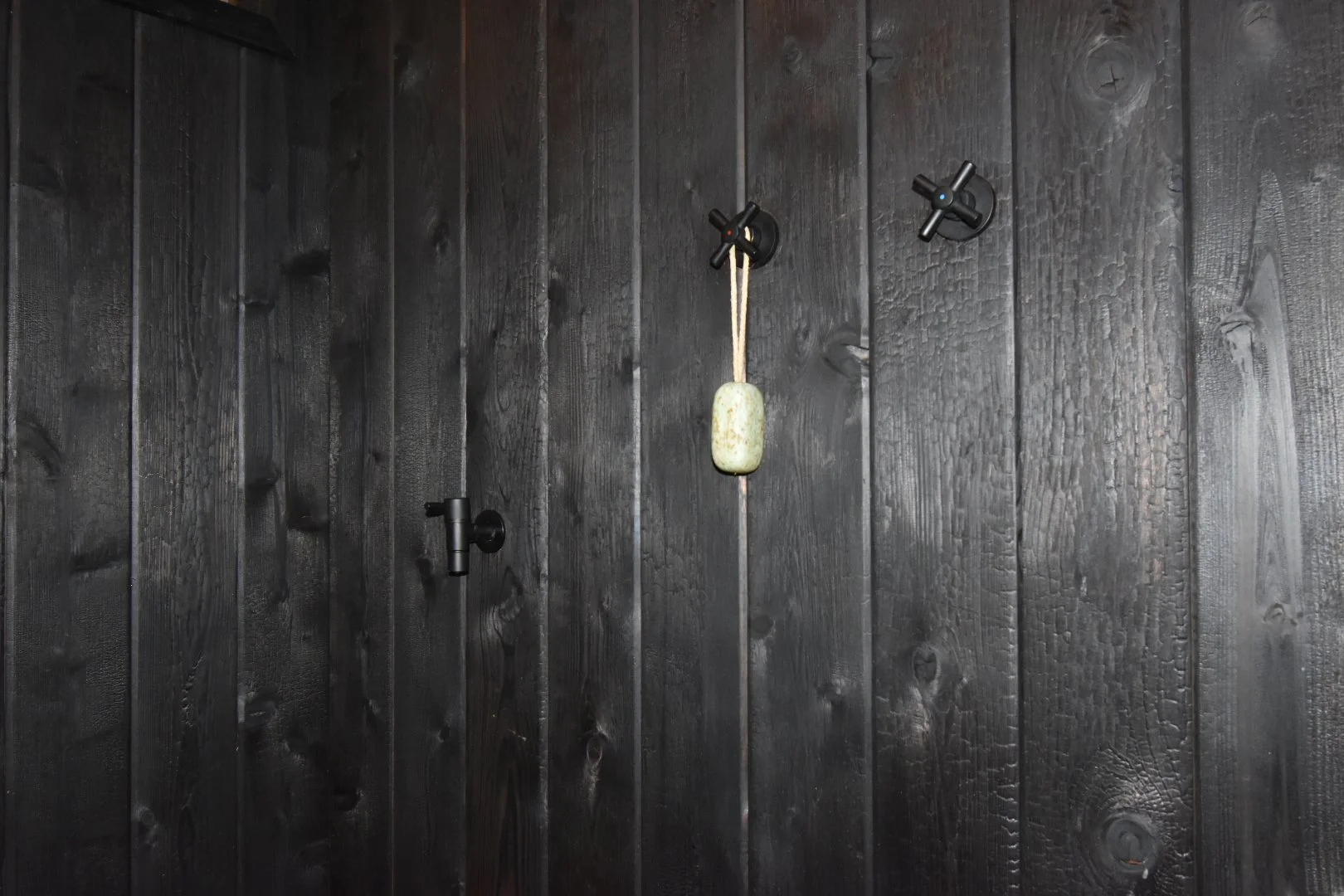
The covered porch extends the experience beyond the hot room. Clear cedar soffits tie the exterior back to the interior, while the vertical cedar siding was treated using a Yakisugi method to add depth, durability, and contrast. A full outdoor shower and filtered water spigot complete the setup, making this a true rinse–rest–repeat space rather than just a standalone sauna.
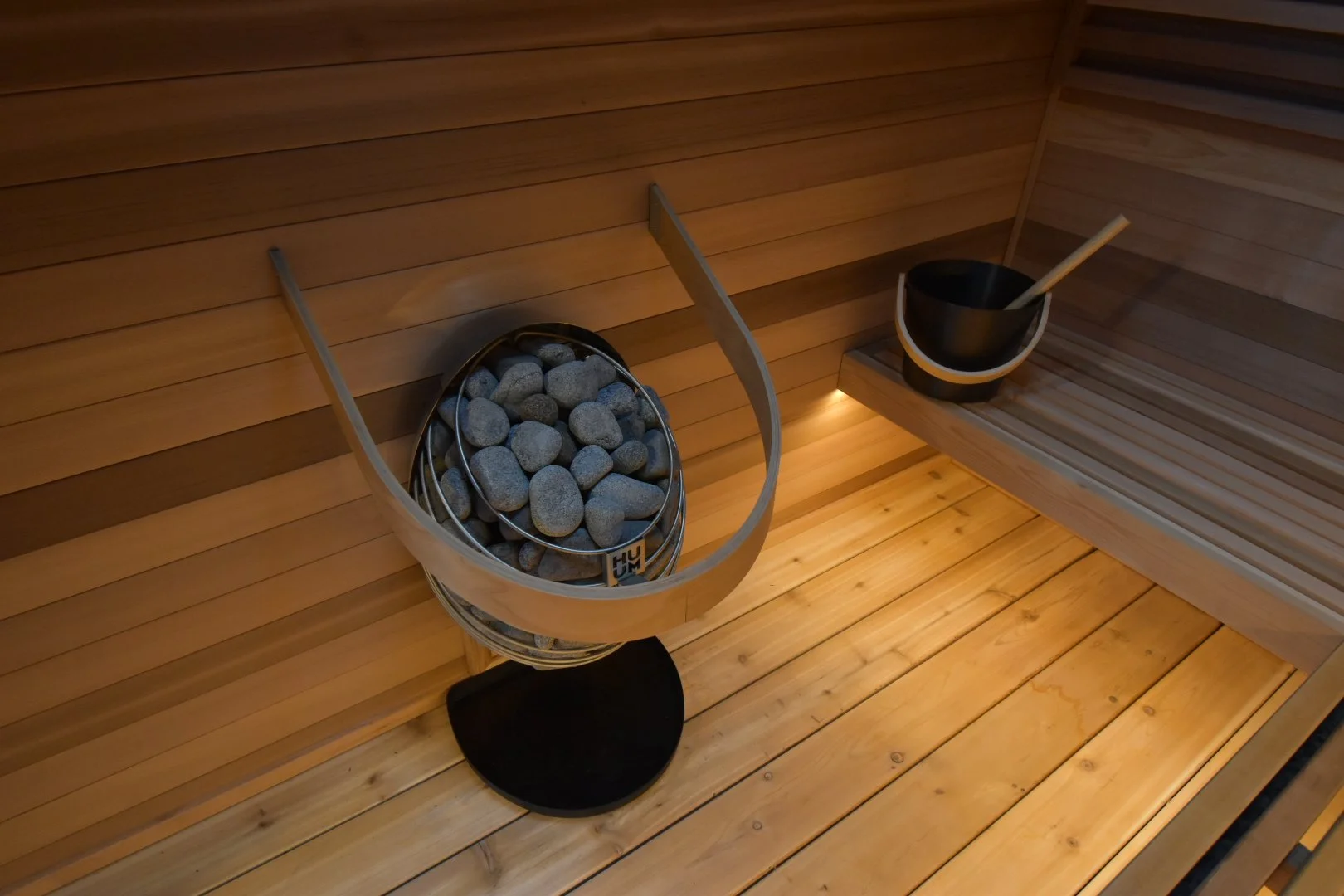
Heat is provided by a 9 kW HUUM Drop heater, paired with a custom guard rail, drip tray, and integrated Wi-Fi controls. The result is a heater that performs beautifully while staying visually quiet — something we prioritize in every build.
This project is a good example of how constraints can lead to better design. Tight sites, specific client needs, and existing structures didn’t limit what was possible here — they shaped it.